Shitstorm on Maischberger: When an Ex-Querdenker's Confession Becomes a "Performance"
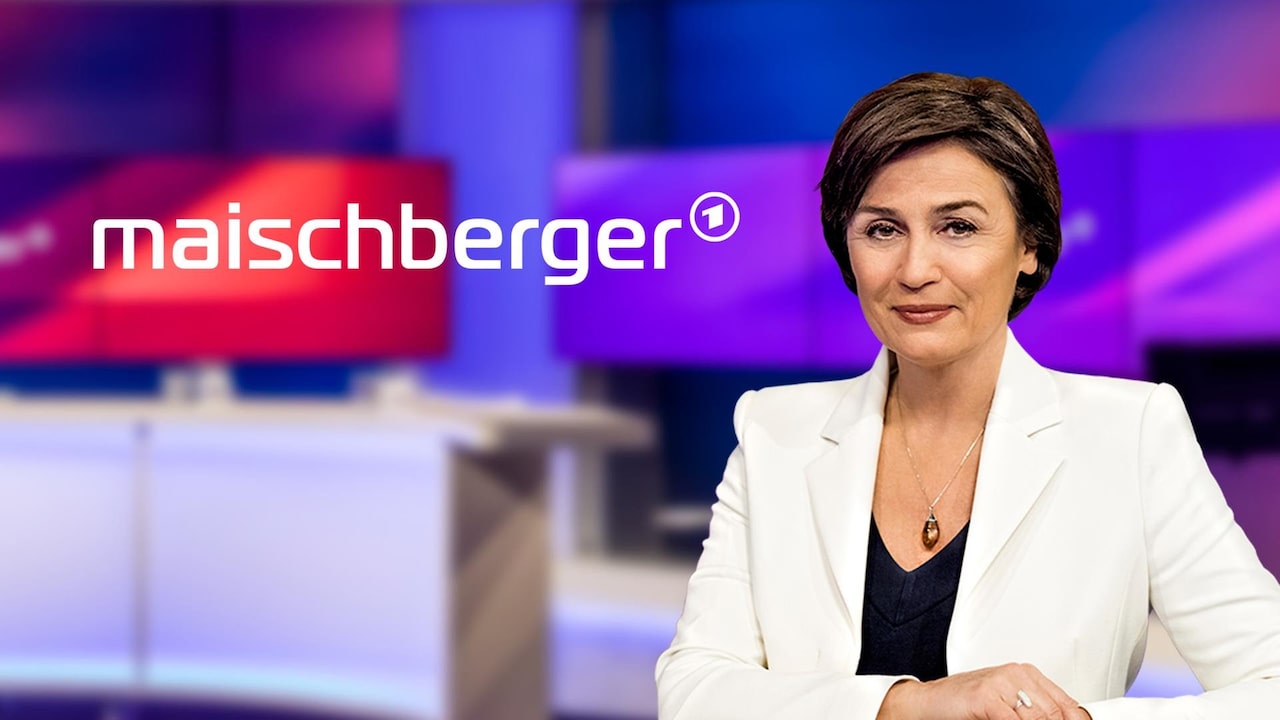
The German political talk show landscape, particularly the acclaimed maischberger sendung, often finds itself at the epicenter of intense public discourse. Known for its incisive discussions on pressing global and national issues, the show frequently invites a diverse range of voices, from seasoned politicians and economists to expert commentators. However, a recent episode sparked an unexpected and fierce "shitstorm" on social media, not for its political debates or exclusive interviews, but for the controversial appearance of a guest accused of being an actor.
The incident involved Michael Scheele (name changed for the broadcast), an individual who claimed to have been a fervent member of the "Querdenken" movement – a German anti-lockdown and conspiracy-theory-leaning collective – but had since become disillusioned. His intention was to share his journey of radicalization and subsequent disengagement, offering a rare look behind the curtain of a controversial movement. What unfolded, however, was a heated online debate questioning the authenticity of his testimony, culminating in widespread accusations that Scheele was merely playing a role.
The Unlikely Confession: An Ex-Querdenker's Journey to the Maischberger Sendung
In a television landscape often dominated by familiar faces and established opinions, the maischberger sendung attempted to offer a fresh perspective. Michael Scheele, an ex-soldier, represented a different kind of guest: a former insider of the Querdenken movement. He had reportedly applied to appear on the show multiple times, driven by a desire to illustrate that individuals could indeed change their minds, even after deeply embedding themselves in a community often perceived as inflexible.
Scheele recounted his initial immersion into the Querdenken world, which began through friends. He described an initial period of euphoria, attending demonstrations and engaging with activists. This early enthusiasm, however, gradually soured. He spoke of a growing unease, a shift from critical thinking to a perceived pressure to conform to the movement's dictated narratives. "Over time, I felt like I shouldn't think anymore, but rather had to think the way the movement wanted me to," Scheele explained. This intellectual straightjacket eventually led him to sever ties with his Querdenken friends, feeling exploited and misused by the movement.
His appearance on the maischberger sendung placed him alongside prominent figures like veteran CDU politician Wolfgang Schäuble and virologist Hendrik Streeck. During his segment, moderated by Sandra Maischberger herself, Scheele elaborated on his personal transformation. The segment was designed to offer viewers a unique, first-person account of ideological disenchantment, hoping to shed light on the complexities of such movements and the potential for individuals to re-evaluate their beliefs.
The Avalanche of Accusations: Was the Maischberger Guest an Actor?
Despite the profound personal narrative Scheele presented, his appearance on the maischberger sendung triggered an immediate and intense backlash across social media platforms, particularly Twitter. The "shitstorm" wasn't focused on the content of his message – the dangers of ideological conformity or the nuances of the Querdenken movement – but rather on Scheele's demeanor and delivery. Many users swiftly concluded that his articulate, composed, and seemingly "professional" way of speaking suggested he was not a genuine ex-Querdenker, but rather a paid actor hired to perform a role.
- One Twitter user commented, "That's an actor, he talks the whole time as if he's playing a role, honestly, I don't buy it."
- Another, claiming to be an actor themselves, wrote, "I'm an actor and I felt secondhand embarrassment. The Scheele actor was bad."
These accusations rapidly gained traction, fueled by a mixture of skepticism towards mainstream media narratives, a propensity for conspiracy theories common in the very circles Scheele was critiquing, and a general distrust of public figures in the digital age. The debate quickly devolved into an ad hominem attack, overshadowing the intended message and highlighting the precarious nature of authenticity in a televised format. The attempt by the maischberger sendung to provide a unique perspective instead became a lightning rod for accusations of manipulation and staged reality.
Authenticity in the Spotlight: Scheele's Defense and Broader Lessons
The accusations of acting compelled Michael Scheele to respond publicly, refuting the claims in a YouTube video. "I am not an actor, and I stand by the fact that I want to be a role model as a person," he stated, emphasizing the sincerity of his story and his message. He pointed out that even after the show, people had commented on his articulate manner of speech, but he defended his appearance, arguing that the focus should be on the content, not the delivery. "It's not about whether I'm an actor or not, but about the message I have, and that message must be heard," he affirmed.
The broadcaster also addressed the controversy, stating that there were "no indications to confirm the allegations against Michael Scheele." This incident on the maischberger sendung serves as a potent case study in the challenges of media authenticity, particularly when dealing with sensitive and polarized topics. In an era where trust in institutions is often low, and social media provides an instant, unfiltered platform for criticism, any deviation from perceived "normal" behavior can be quickly weaponized. This highlights:
- The Difficulty of Nuance: In a world increasingly prone to black-and-white thinking, a nuanced personal journey like Scheele's can be hard for some audiences to accept, especially if it challenges pre-existing beliefs or narratives.
- The Power of Social Media: The "shitstorm" demonstrates the immense power of online communities to shape perception, amplify accusations (whether founded or unfounded), and effectively derail public discourse.
- Media Literacy: It underscores the critical importance of media literacy for viewers. Distinguishing between genuine testimony, professional presentation, and actual fabrication requires careful discernment, rather than snap judgments based solely on demeanor.
For individuals presenting challenging narratives, maintaining authenticity while navigating the demands of television can be a tightrope walk. For audiences, the incident is a reminder to critically evaluate information and resist the urge to dismiss complex stories based on superficial observations.
Beyond the Controversy: The Diverse Landscape of the Maischberger Sendung
While the Scheele incident garnered significant attention, it's important to remember that the maischberger sendung consistently tackles a broad spectrum of critical topics, offering diverse perspectives and in-depth analyses. The very episode featuring Scheele also delved into pressing international concerns, showcasing the program's commitment to comprehensive current affairs coverage.
For instance, a significant portion of the broadcast focused on the volatile situation in Iran and the escalating tensions in the Middle East. This crucial discussion featured prominent political figures such as former FDP General Secretary Bijan Djir-Sarai and BSW founder Sahra Wagenknecht, known for their often contrasting viewpoints, offering viewers a robust debate on complex geopolitical challenges. Readers interested in this segment can find more details in our related article: Maischberger Discusses Iran Crisis: Wagenknecht vs. Djir-Sarai.
Furthermore, the maischberger sendung regularly features exclusive, deeply personal stories that resonate with a wider audience. In another recent segment, the show presented an exclusive interview with Gisèle Pelicot, a central figure in a high-profile public rape trial in Avignon. Pelicot shared her harrowing experience and, crucially, her journey towards renewed confidence and resilience. Her story highlighted the immense courage required to speak out and seek justice, providing a powerful and moving counterpoint to the more political discussions. To learn more about Gisèle Pelicot's compelling testimony, see: Maischberger Exclusive: Pelicot on Public Trial & Renewed Hope.
These diverse topics are regularly dissected by a panel of expert commentators, including ARD economic expert Anja Kohl, Deputy Bild Editor-in-Chief Paul Ronzheimer, and Stern Editor-in-Chief Gregor Peter Schmitz, ensuring a well-rounded and informed perspective on the week's events. The maischberger sendung thus remains a vital platform for public discourse, even when it inadvertently sparks a social media storm.
The "shitstorm" surrounding Michael Scheele's appearance on the maischberger sendung offers a compelling snapshot of contemporary media consumption and online behavior. It underscores the ongoing struggle to present authentic narratives in a highly skeptical and polarized environment, where the messenger can easily overshadow the message. While the incident raised questions about perception and trust, it also reaffirmed the critical role of platforms like Maischberger in facilitating essential, albeit sometimes contentious, public discussions. In an age of information overload, discerning truth from performance remains a paramount challenge for both media producers and consumers.